









CLEANLINESS BEGINS WITH A SINGLE SOAK.

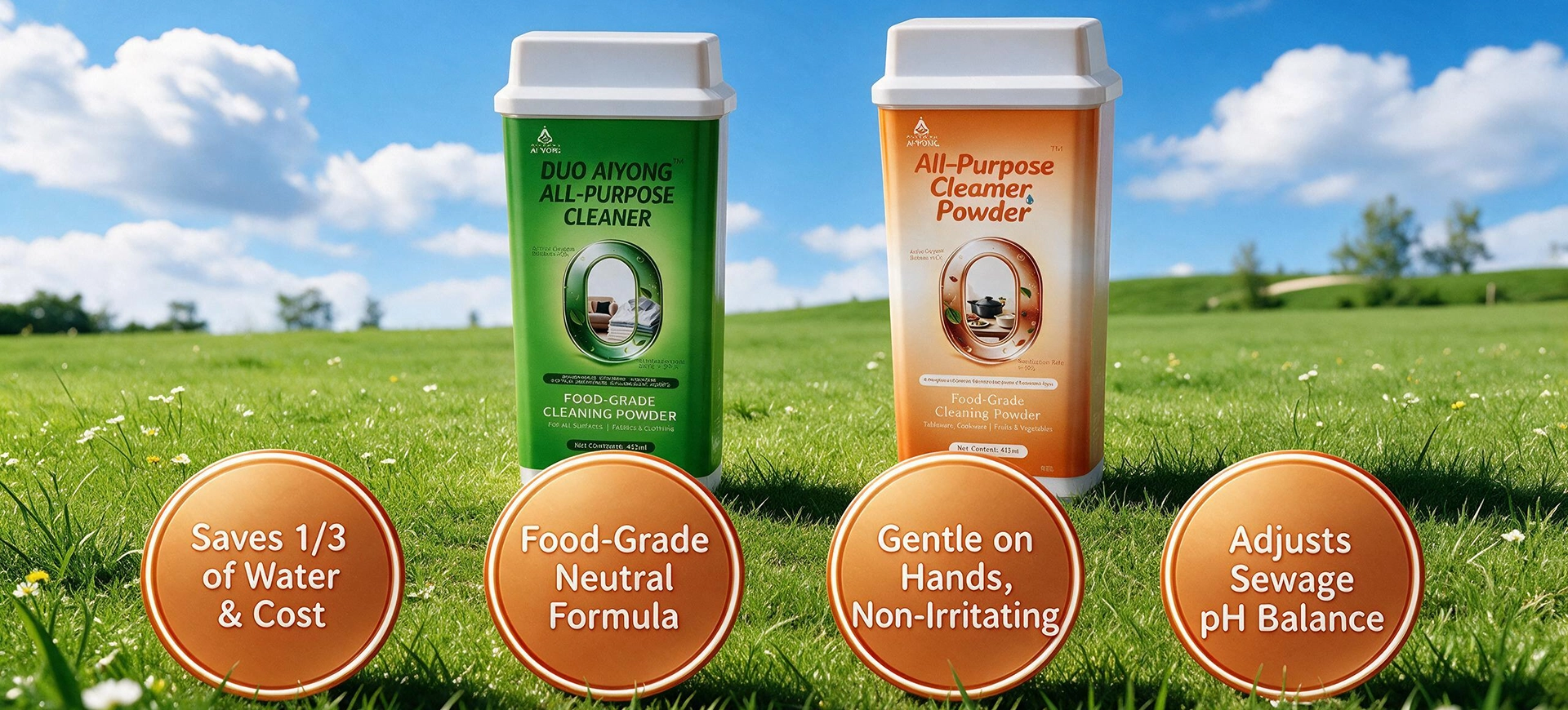
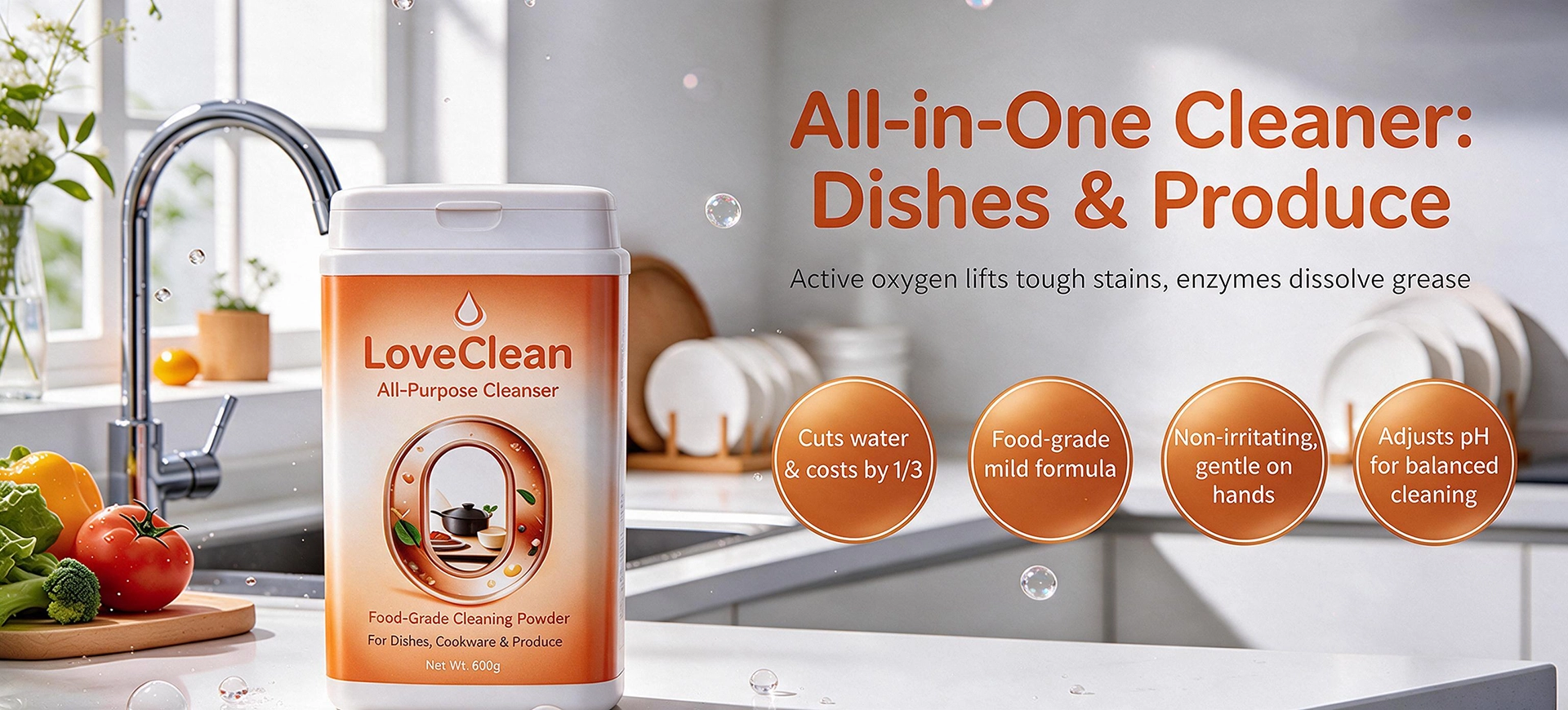
Fresh produce safety is no longer a back-of-pack concern for international buyers. Retail chains, food service distributors, and private-label brands are asking not just what is in a produce wash, but how it is formulated, dosed, and delivered. Granular food-grade cleaning powders are gaining ground because they offer controlled concentration, dry stability, and clean dissolution—without the preservatives and water weight of liquid washes.
A Hainan-based biotechnology and cleaning solutions company has built its produce-cleaning portfolio around granular, food-contact-compatible formulations. Rather than treating fruit and vegetable cleaning as an extension of dish soap chemistry, the company approaches it as a separate discipline: powders designed to dissolve cleanly, lift surface soils and waxy residues, and rinse away without a lingering surfactant feel. The company does not market itself as a consumer brand; it operates as a formulation and production partner for buyers who need cleaning performance without building their own chemistry team.
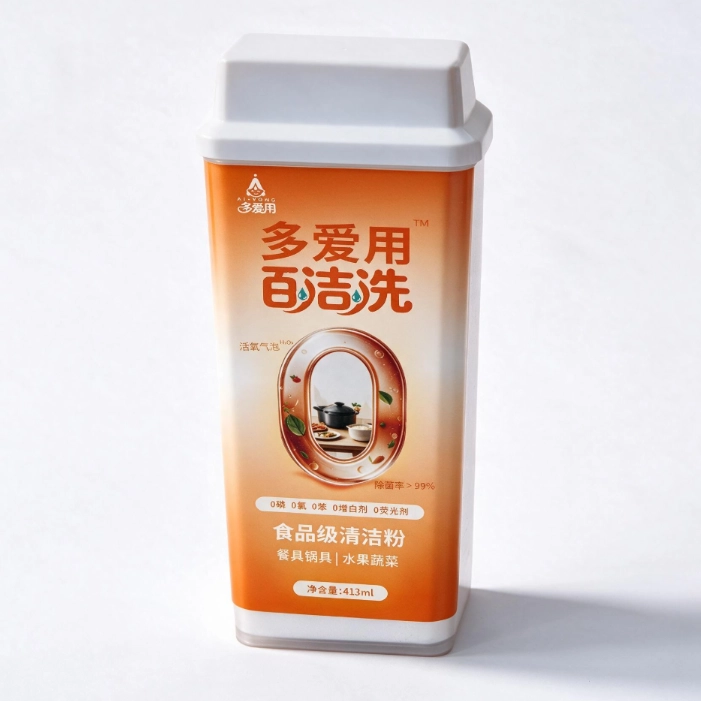
For importers and brand owners, the practical bottleneck is finding a manufacturing relationship that supports labeling, packaging, and formulation flexibility. This is where the company’s role as a China fruit & vegetable cleaning powder manufacturer custom logo becomes operationally relevant. Buyers can specify logo, pouch or jar format, and label design while working from a food-grade granular base already oriented toward produce applications. Existing powder and granular filling capabilities mean custom packaging does not require a separate supply chain.
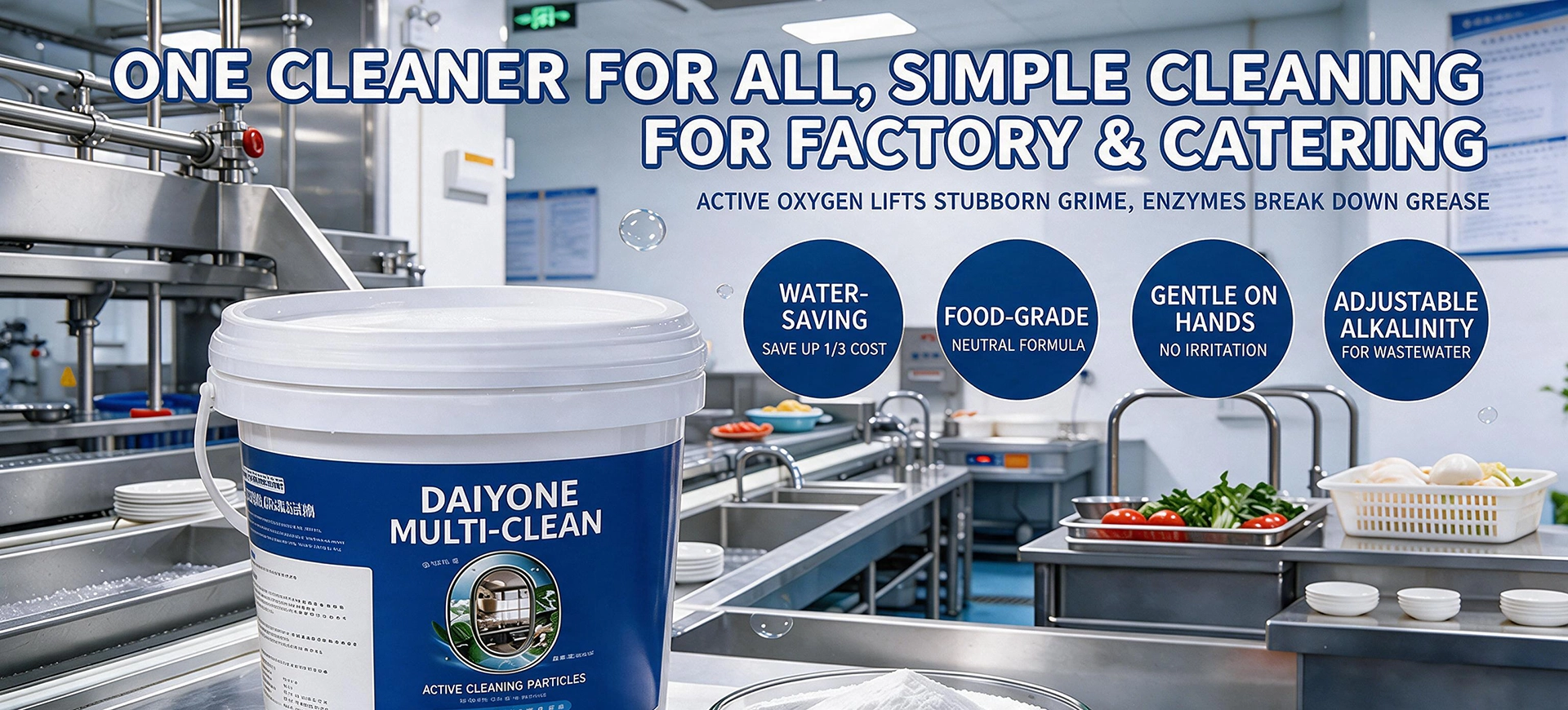
At the wholesale level, produce distributors and regional cleaning-supply wholesalers often need a dependable dry powder they can repackage or pair with their own dispensing instructions. A China fruit & vegetable cleaner supplier b2b direct relationship matters because it removes intermediary markups and shortens the feedback loop between formulation adjustments and production runs. The company’s Hainan base offers proximity to southern Chinese ports and an operating environment oriented toward cross-border trade, making direct B2B engagement less of a logistical gamble for overseas buyers testing a new produce-wash line.
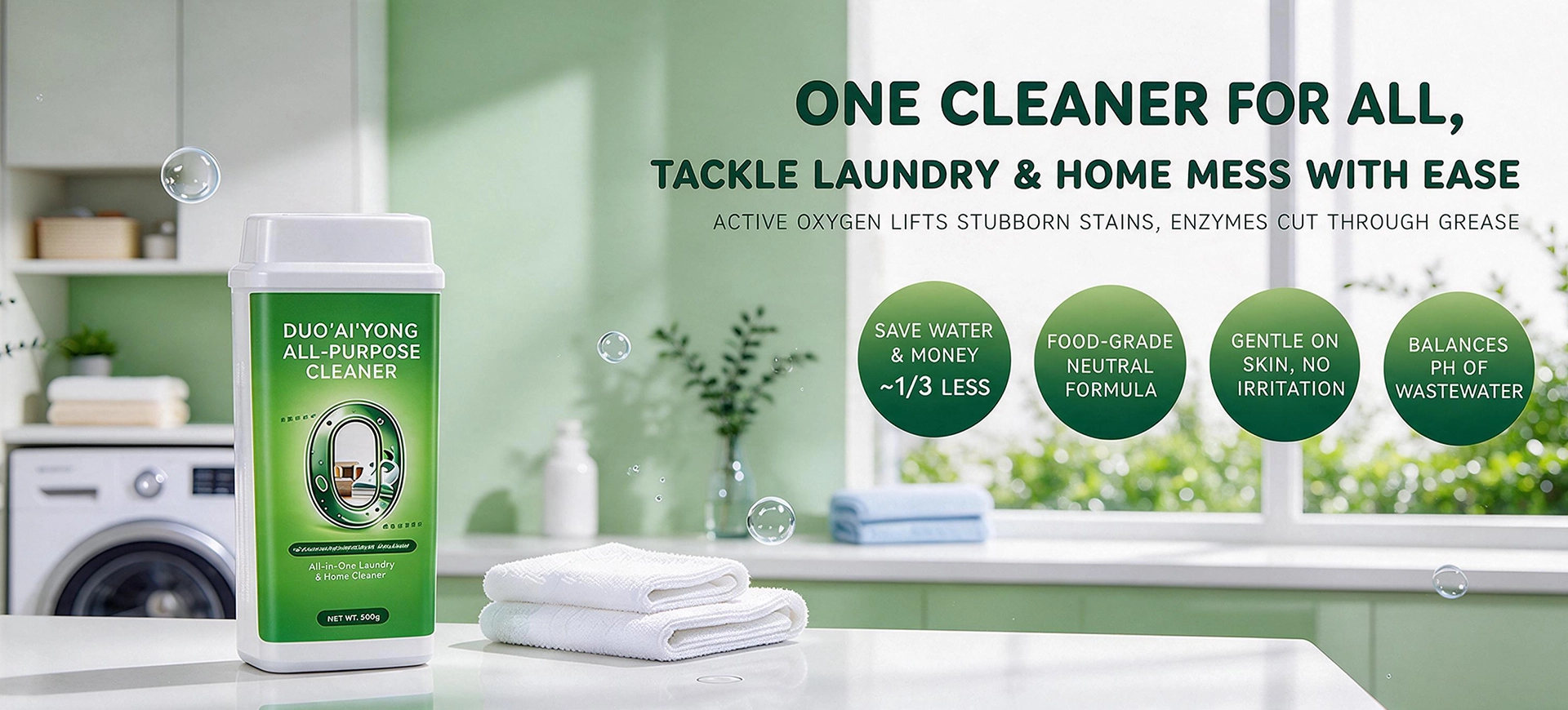
Sourcing conversations often expand into adjacent categories. A distributor that starts with a fruit and vegetable powder may soon need a private-label laundry powder for the same retail accounts. Working as a China custom laundry detergent manufacturer direct price partner, the company can support private-label detergent powder development with transparent factory-direct pricing, rather than forcing buyers to split sourcing across multiple suppliers with different quality systems and lead times. The granular and powder lines share quality-control infrastructure, so moving from produce wash to laundry powder does not restart the qualification process.
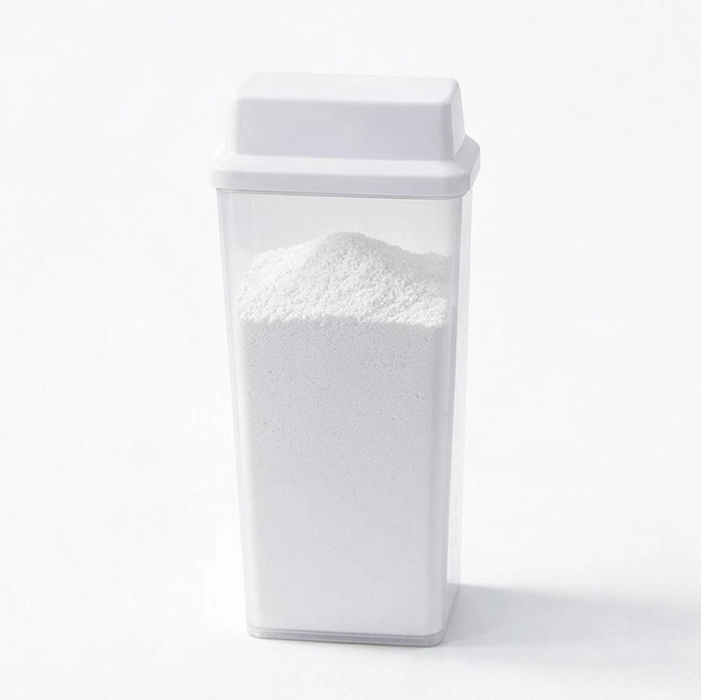
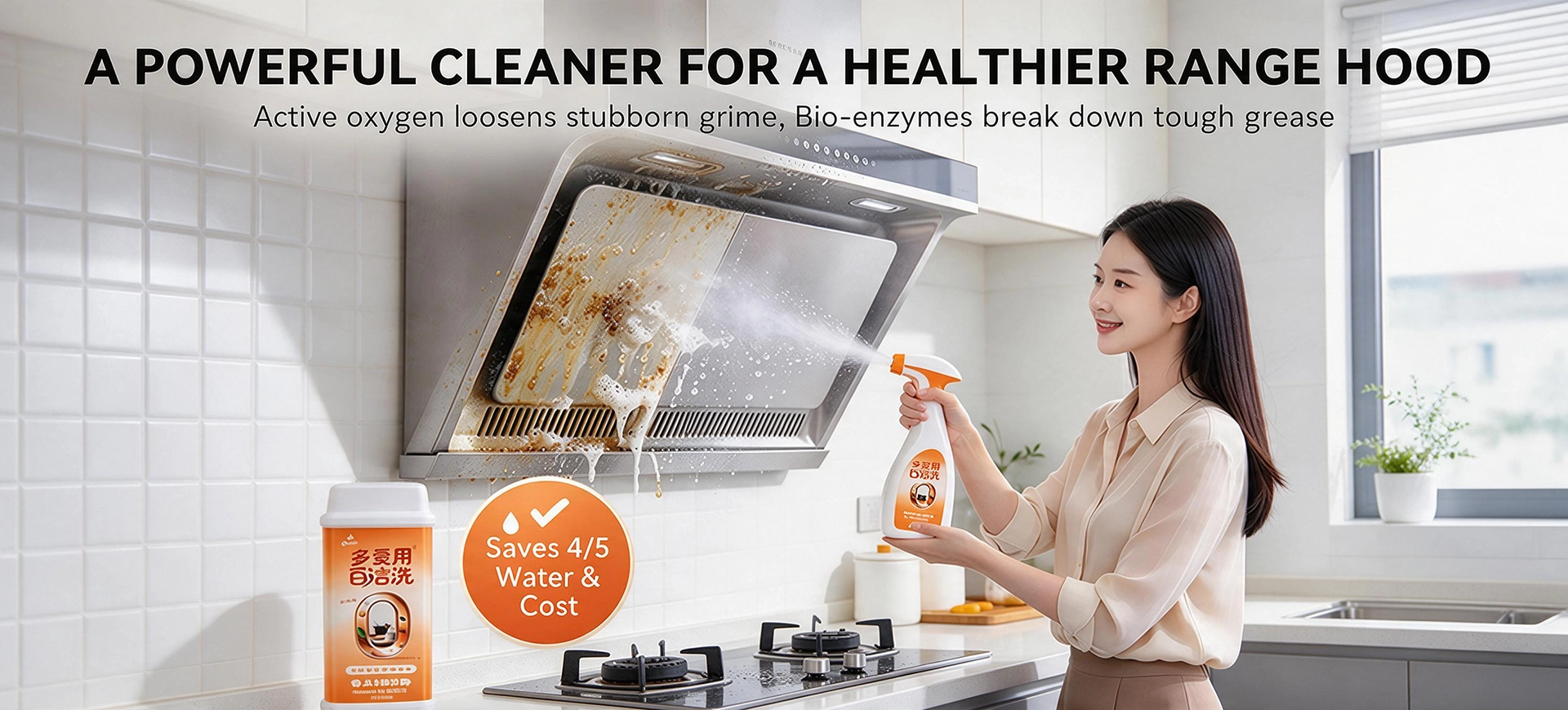
The granular format itself deserves more credit than it usually receives. Dry powder is concentrated by design: users dissolve what is needed, reducing over-dosing and packaging weight per use. For commercial produce handlers, this means more consistent wash-bath preparation; for households, a smaller scoop and less plastic per cleaning cycle. The company’s formulations lean toward functional simplicity—a clean rinse and stable shelf life rather than a longer ingredient list.
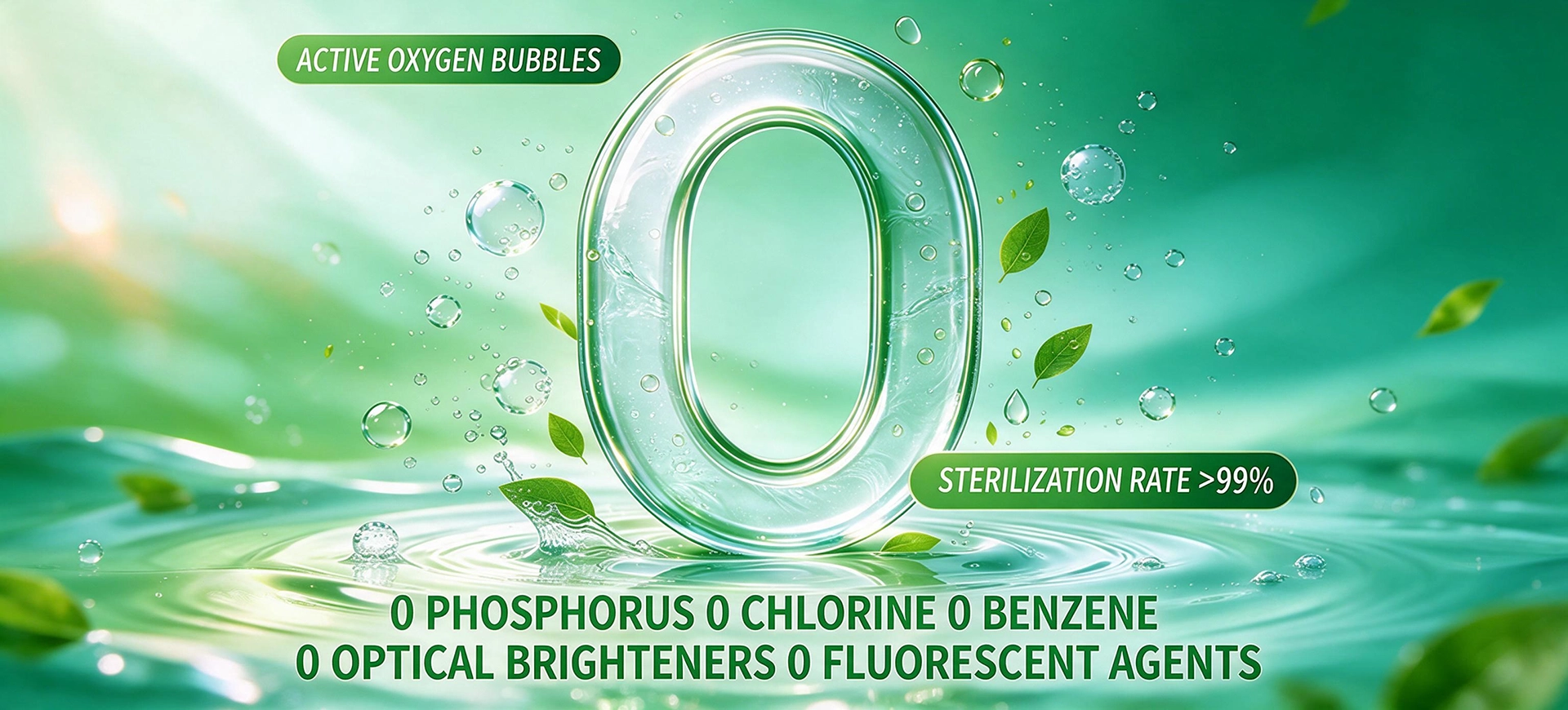
International buyers today ask harder questions about residue, biodegradability, and documentation. The company’s approach—granular food-grade formulations, custom labeling support, and a direct B2B posture—reflects a broader maturation in Chinese cleaning-powder manufacturing. The suppliers earning repeat orders are not the ones shouting loudest about eco-claims; they are the ones that can move between produce wash, household powder, and custom laundry formulations without making the buyer feel like they are navigating three different companies. For overseas buyers, the signal to watch is whether a manufacturer can discuss dissolution rate, rinse behavior, and packaging format in the same breath—and then follow through with a factory-direct commercial structure.